
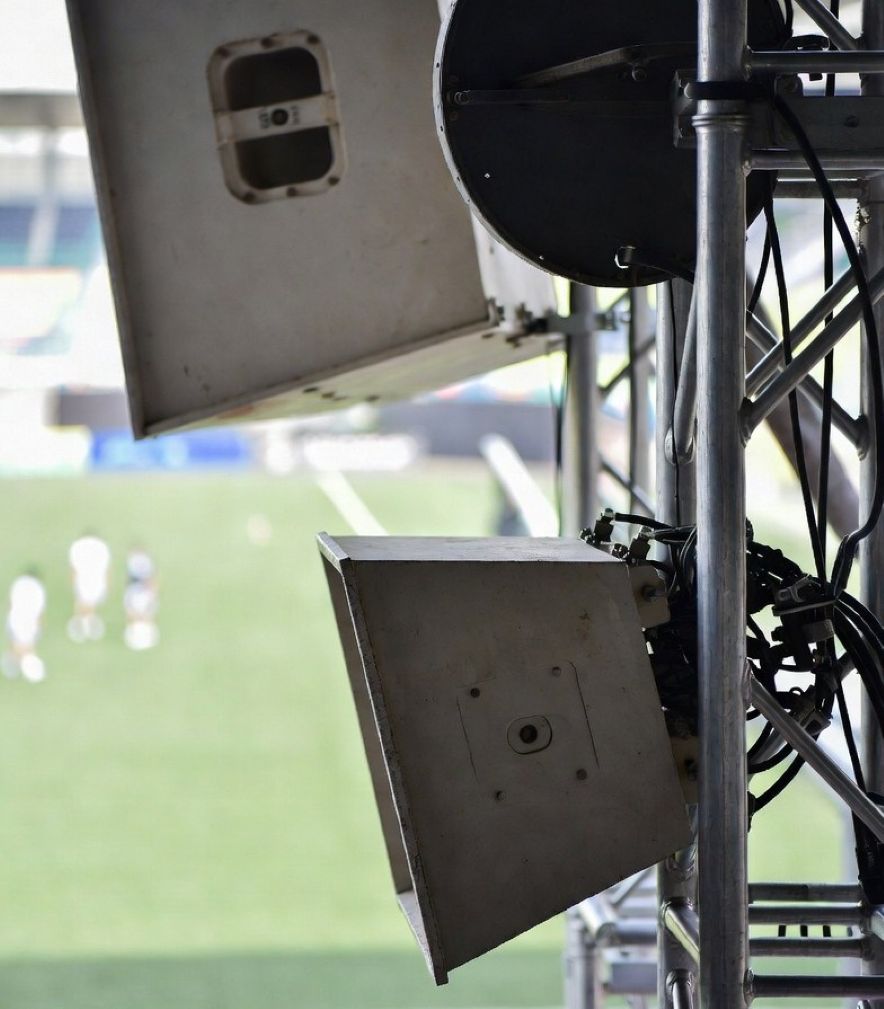
The English Premier League reaches more than 180 countries, drawing billions of viewers each season. Yet beyond the goals, tackles, and commentary, another force shapes the experience. Music sets the tone long before the first whistle and lingers after the final score flashes on screen.
For fans tuning in through platforms such as EPL Broadcast (EPL중계), the soundscape is part of the ritual. The opening theme signals that something important is about to happen. Studio intros build anticipation. Stadium speakers blast familiar tracks as players walk out. These sounds form a shared language that connects viewers across cities and continents.
More Than Background Noise
Research in sports psychology shows that music increases emotional arousal and attention, and parallels can be seen across other experiences where sound guides engagement, such as the importance of music in games and how it improves immersion and recall. Broadcasters understand this well. That is why theme music is carefully selected, often composed to feel bold, urgent, and cinematic. When the Premier League anthem plays before kickoff, it creates a sense of ceremony. The match feels larger than life.
Halftime segments also rely on music to maintain energy. Producers choose upbeat tracks during highlight reels to keep viewers engaged. Slower, reflective music may accompany tribute packages or injury updates. These choices guide how audiences process what they see. A powerful goal replay paired with rising orchestration feels dramatic. The same clip with flat audio feels ordinary.
Even short audio cues matter. Transition stings between studio analysis and live action keep the rhythm tight. Without them, a broadcast can feel disjointed. With them, the show flows smoothly from segment to segment.
The Power of Crowd Chants
Stadium chants are another key layer of the audio identity. Clubs like Manchester United, Liverpool, and Arsenal have songs that fans sing week after week. “You’ll Never Walk Alone,” long associated with Liverpool, has become a global anthem. When microphones capture thousands of voices singing in unison, television viewers feel immersed in the moment.
During the pandemic, when matches were played behind closed doors, broadcasters experimented with artificial crowd noise. The silence was unsettling. Many viewers reported that games felt less intense. The absence of organic sound highlighted how vital real chants and reactions are to emotional connection.
Chants also tell stories. A sudden roar signals a near miss before the camera even shows the replay. A rising murmur builds tension during a counterattack. These cues help remote audiences sense the pace of play in real time.
Licensed Tracks and Brand Identity
Music in sports broadcasting is not chosen at random. Licensing teams work closely with producers to select tracks that match the league’s brand. Fast, modern beats appeal to younger viewers. Classic rock tracks may resonate with long-time fans. The balance shapes how the league presents itself to the world.
For an EPL Broadcast, pre-match montages often feature well-known artists to generate excitement. Recognizable songs boost recall. Viewers may associate a particular season with a specific intro track. Over time, that soundtrack becomes part of football memory. Hearing it years later can bring back images of title races and dramatic comebacks.
Music also supports sponsor messages and promotional clips. A high-energy bed under a fixture list graphic can make even schedule information feel urgent. The right soundtrack turns simple content into an event.
Emotional Impact in Live Streaming
Live sports streaming adds another layer of complexity. Viewers watch on phones, tablets, and smart TVs. Audio must be mixed carefully so commentary, crowd noise, and music work together. If music overpowers analysis, clarity suffers. If it is too soft, transitions feel empty.
Producers aim for balance. Commentary carries the story. Crowd noise brings authenticity. Music adds polish and emotional lift. Together, they create immersion. When done well, fans stay longer on the stream and are more likely to return for the next match.
Studies on media engagement suggest that emotionally charged content improves memory retention. A dramatic goal paired with swelling music is easier to recall than one shown in silence. That memory strengthens loyalty to both the club and the broadcast platform.
Best Practices for Integrating Music
- Match the mood. Choose tracks that reflect the stakes of the game. Title deciders need grandeur. Mid-table clashes may call for a lighter touch.
- Respect the crowd. Let natural chants breathe. Avoid drowning out authentic stadium sound with heavy overlays.
- Keep transitions tight. Short, consistent audio cues help maintain flow between segments.
- Prioritize clarity. Ensure commentary remains clear over music beds, especially in live moments.
- Stay consistent. Repeating signature themes builds recognition and trust over time.
Music gives structure to the spectacle. It frames the drama, supports storytelling, and deepens emotional impact. Fans may tune in for goals and tactics, yet they stay because the experience feels complete.
Every EPL Broadcast carries its own rhythm. From the opening anthem to the final highlight reel, sound guides the journey. When platforms invest in thoughtful audio design, they elevate football from a game on screen to a shared event. That is why music matters, and why it will remain central to the identity of any great EPL Broadcast.

